News & Events

Eventi e attività da valorizzare

Presentazione di Peruvian Roots / Ancestral Roots.
Rome Nutrition Week 2025 presso FAO
Workshop e attività collegate alla Venice Climate Week.
FAO International Day of Potato.
Coffee powered by bike e attivazioni energetiche.
Sustethical Summit 2023.
Presentazione di Ninakilla/Food4Rise al World Food Forum FAO.
Catering e attivazioni presso FAO, IILA, ambasciate e contesti istituzionali.
CNA World Economic Diplomacy Meetings.
Riconoscimenti e momenti istituzionali collegati al percorso della fondatrice e dell’organizzazione.

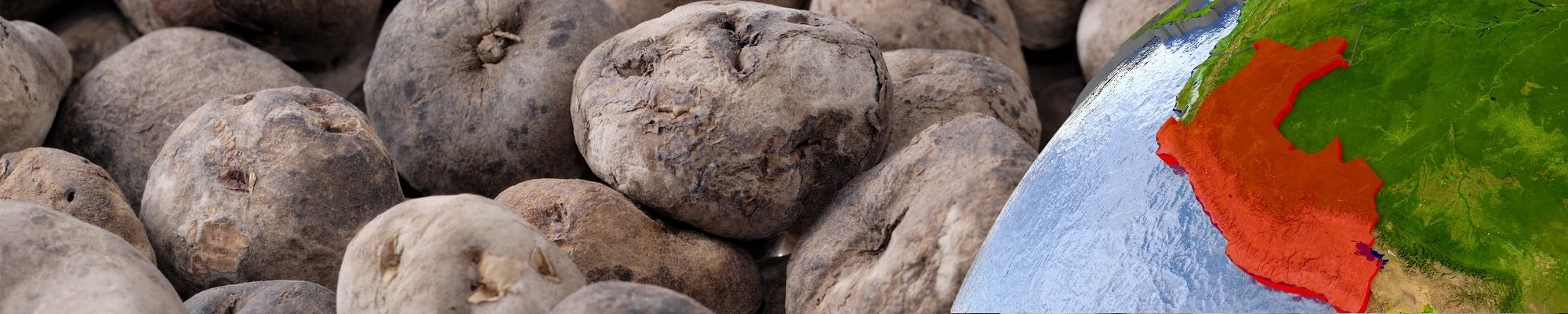
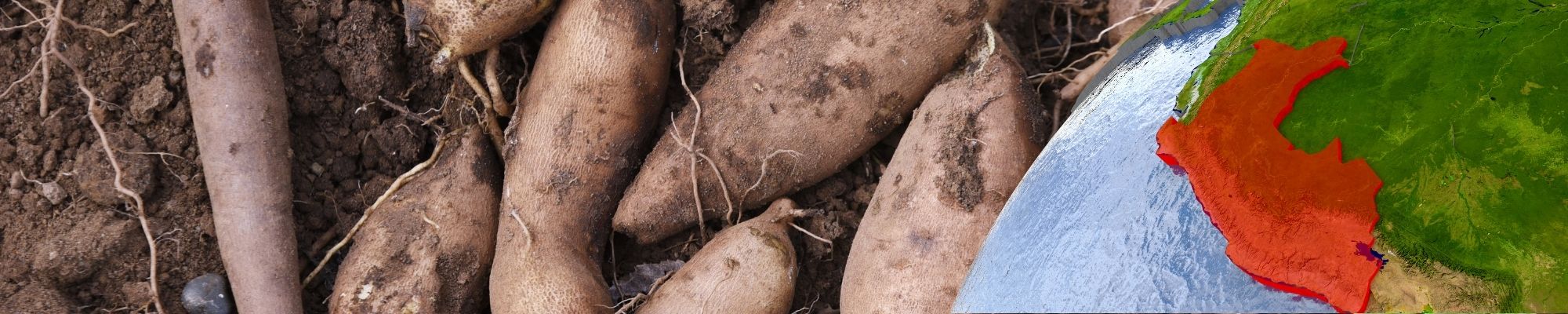
Yacon

acón, grown in regions such as Amazonas, Cusco, Pasco, and Puno at altitudes ranging from 1,000 to 3,200 meters above sea level, is a nutrient-rich tuber known for its health benefits. It contains fructooligosaccharides, which act as prebiotics, promoting healthy gut bacteria and improving digestive health. Additionally, its prebiotic content
Read More »

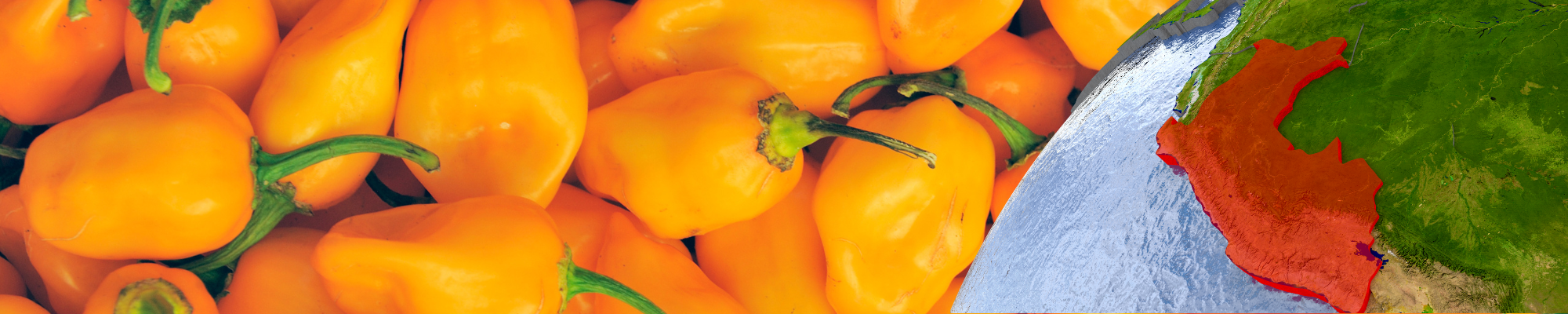
Yellow peper

Yellow pepper, commonly found in Arequipa, Ayacucho, and Cusco at altitudes between 500 to 3,000 meters above sea level, is rich in vitamin C, carotenoids (especially beta-carotene), capsaicin, and fiber. These nutrients contribute to several health benefits, including: However, it is important to note that capsaicin may cause gastrointestinal irritation

Read More »

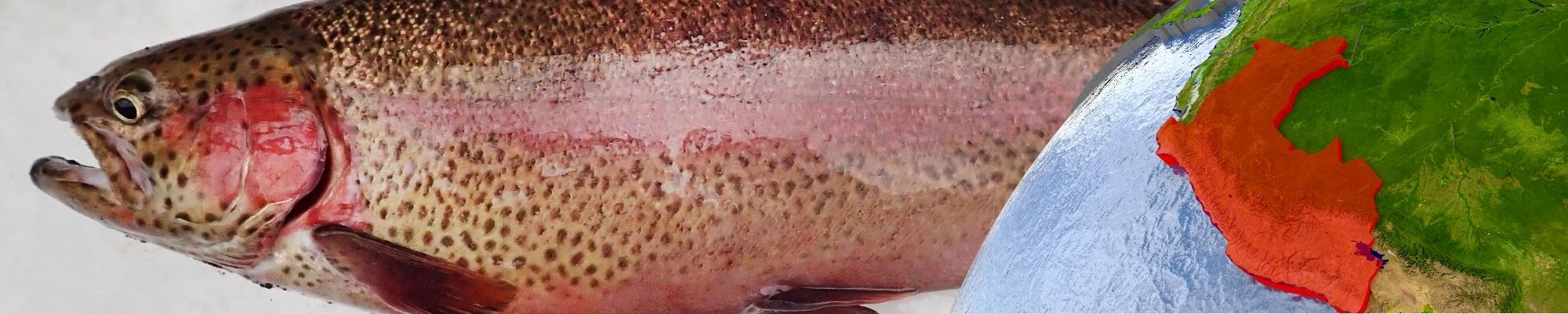
Trout (Trucha)

Trout (Trucha) is a nutritious fish that provides essential omega-3 fatty acids, proteins, vitamin D, and selenium. These nutrients are crucial for brain function, hormone regulation, bone health, and immune support. The omega-3s in trout are particularly beneficial for memory and mental health. While there is a low risk of

Read More »

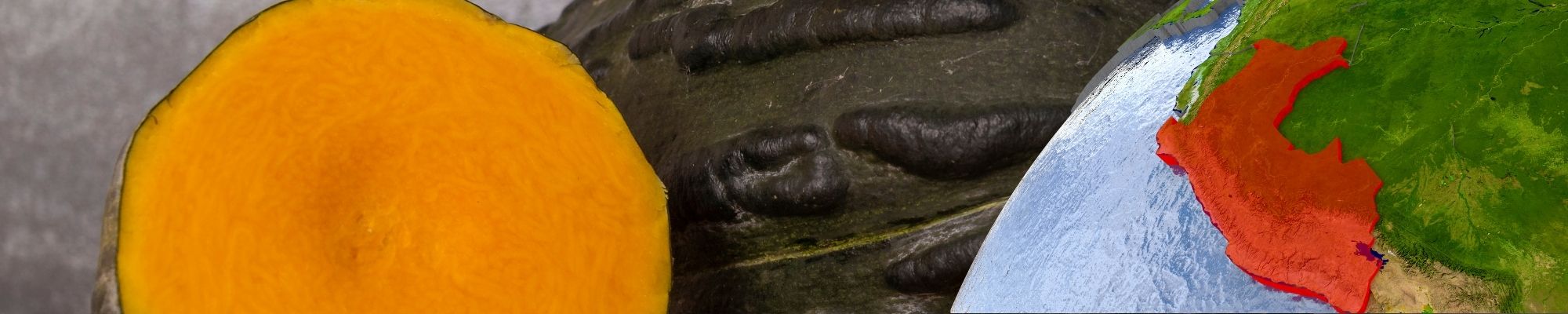
Zapallo loche

Zapallo Loche, found at sea level to around 1,200 meters in regions like Lima and La Libertad, is a nutrient-rich squash notable for its beta-carotene, antioxidants, fiber, and vitamin C content. These nutrients enhance immune function, support digestion, and promote overall health while being low in calories. Although generally safe

Read More »

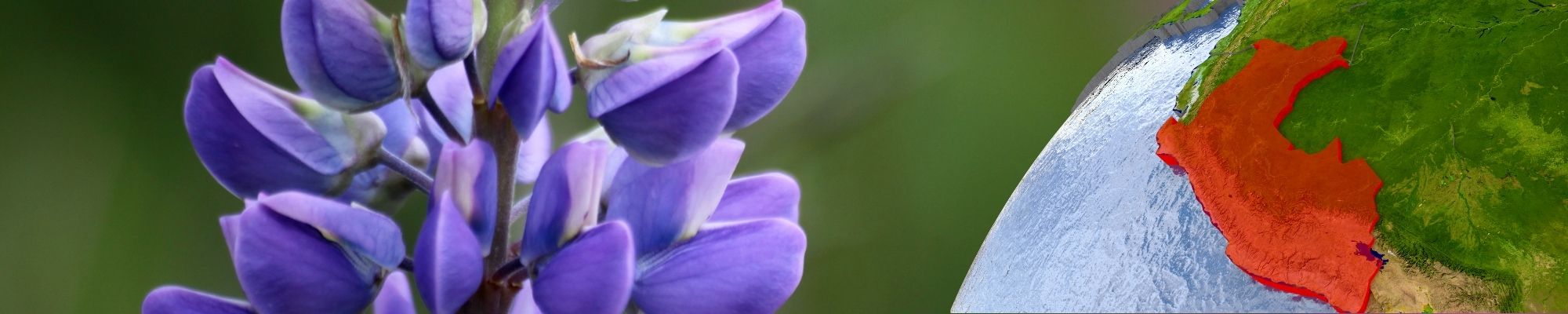
Tarwi

Tarwi, grown between 2,000 and 4,000 meters in regions like Cusco, Huancavelica, and Puno, is a nutrient-dense legume rich in proteins, fiber, healthy fats, and calcium. It supports bone health, helping prevent osteoporosis, and is beneficial for women with Polycystic Ovarian Syndrome (PCOS) by aiding in hormone balance and regulating

Read More »

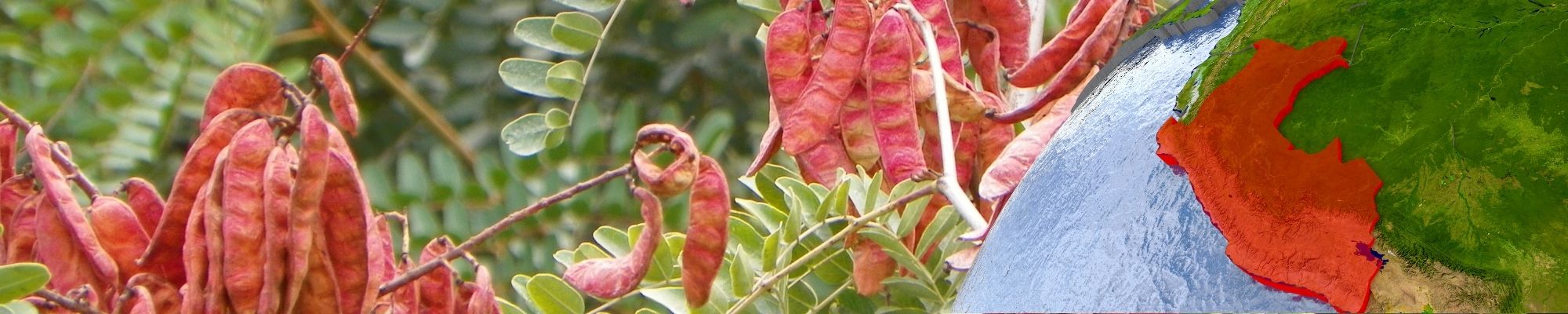
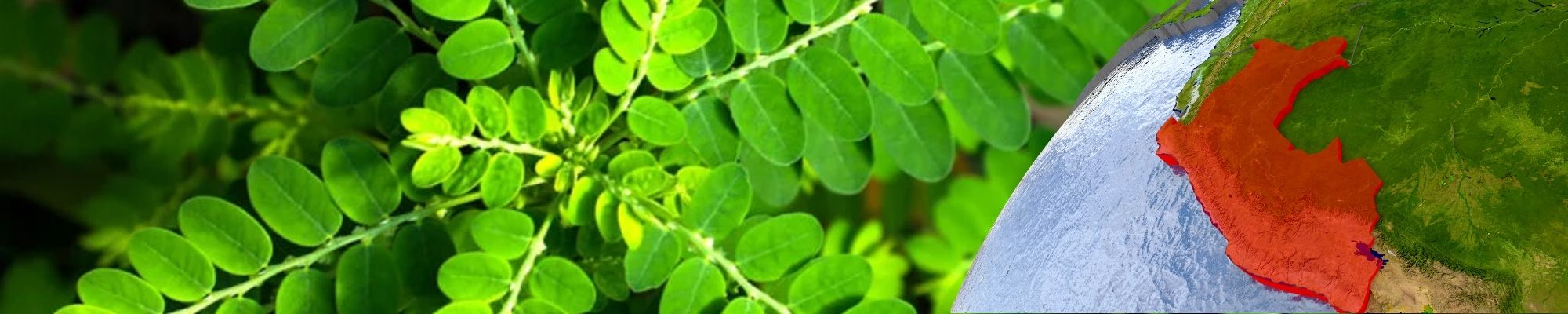
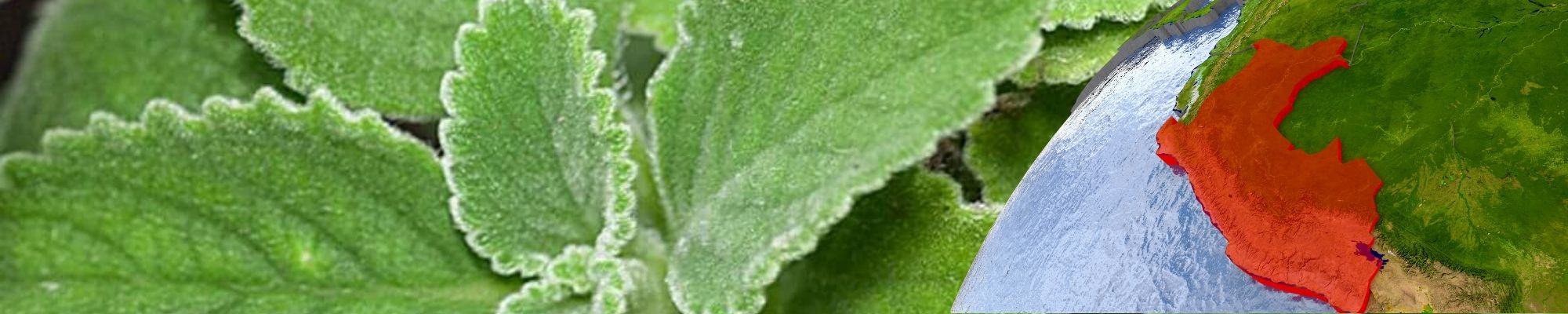
Tara

Tara, grown at altitudes between 1,000 and 3,000 meters in regions like Amazonas, Lima, and Cajamarca, is rich in tannins and antioxidants, which help promote collagen production and improve skin health by enhancing hydration and elasticity. Its fiber content also supports digestive health. However, due to its high tannin content,
Read More »

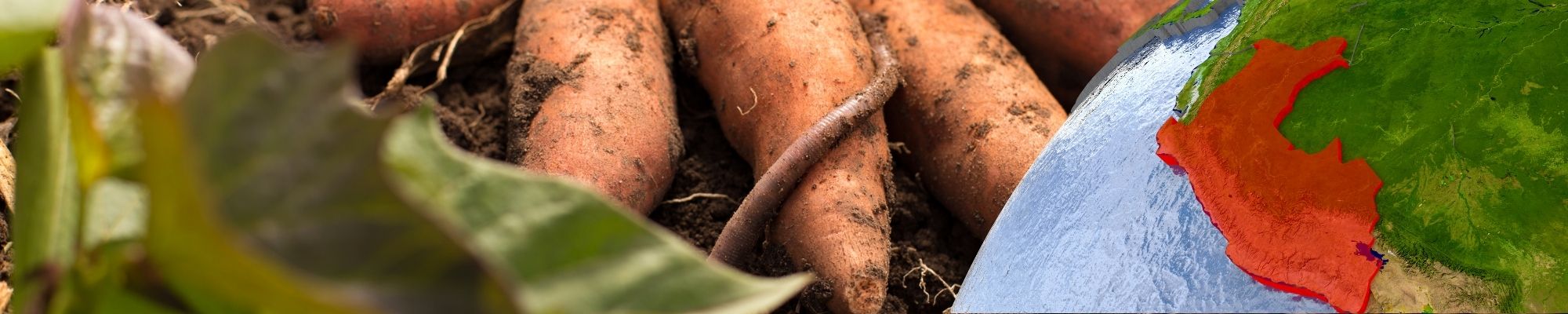
Sweet Potato

Sweet potatoes, found across various regions from sea level to 3,500 meters above sea level, including areas like Amazonas, Cusco, and Piura, are rich in fiber, complex carbohydrates, potassium, vitamin A (from beta-carotene), and vitamin C. Their high fiber content promotes satiety, aiding in hunger control and preventing overeating, while
Read More »

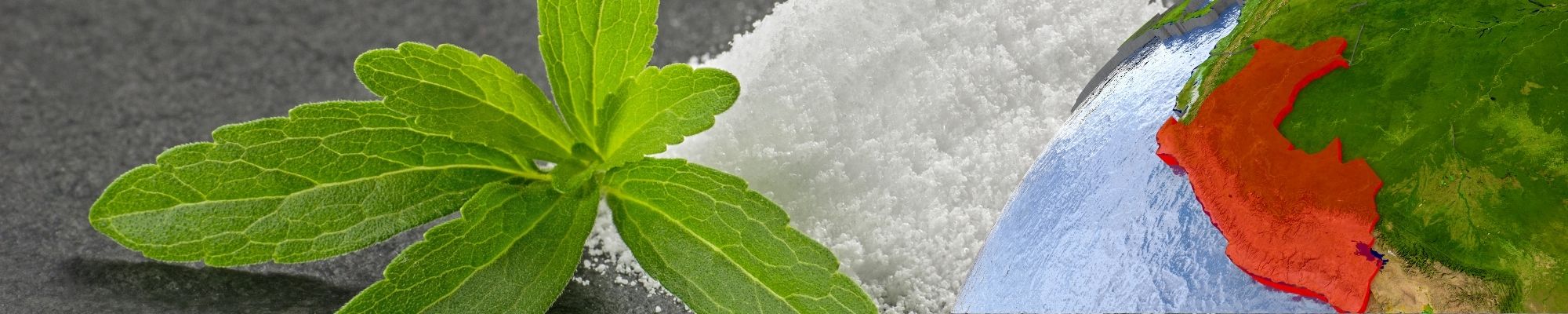
Stevia

Stevia, grown between 200 and 1,200 meters above sea level in regions like Ica and San Martín, contains steviol glycosides, a natural zero-calorie sweetener. It helps regulate blood sugar, making it beneficial for managing diabetes. However, individuals taking medications for blood pressure or blood sugar control should consume stevia with

Read More »

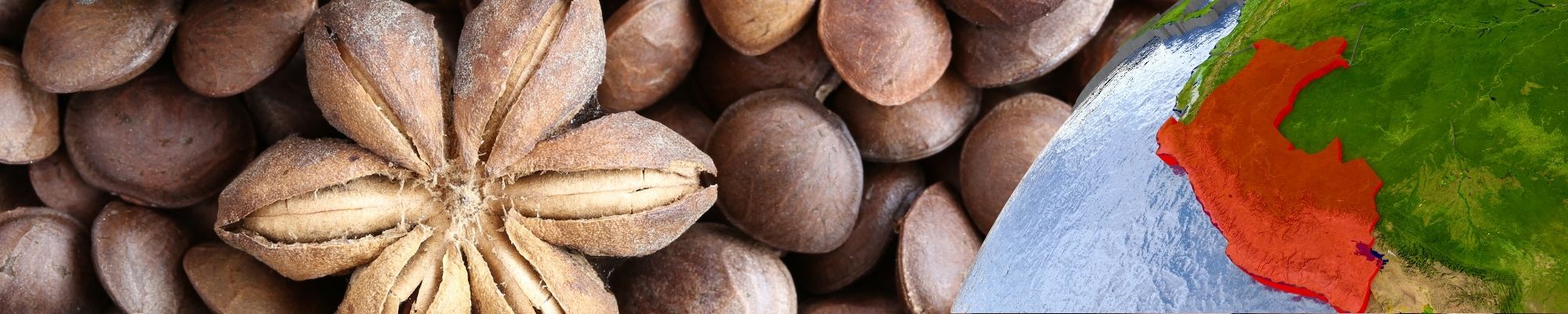
Star Anis

Star anise, found in the regions of Amazonas and San Martín at altitudes between 500 and 1,500 meters above sea level, is rich in antioxidants, essential oils (mainly anethole), and flavonoids. It helps alleviate menopause symptoms and promotes relaxation and better sleep due to its calming properties. However, star anise

Read More »

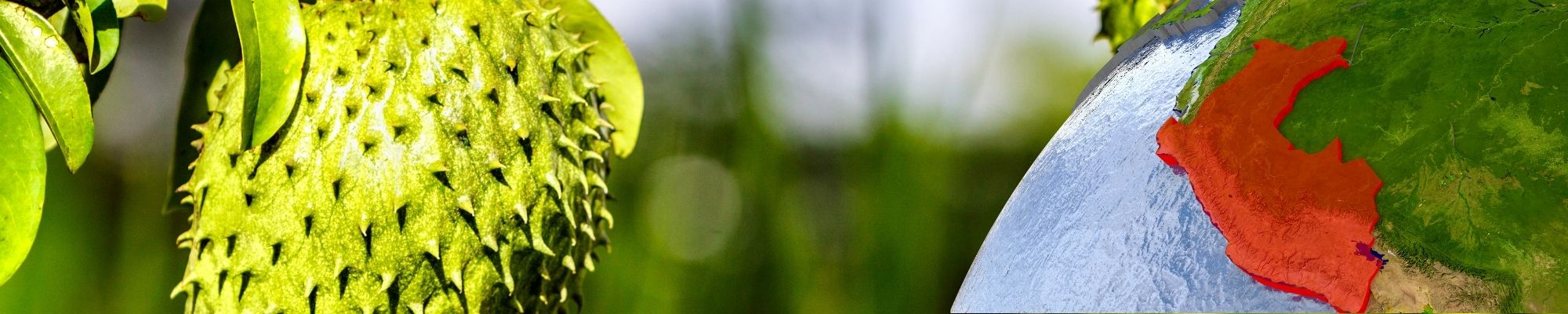
Soursop

Soursop, found in the regions of Amazonas, San Martín, Loreto, Ucayali, and Piura at altitudes of 0 to 1,500 meters above sea level, is rich in antioxidants, vitamin C, and fiber. These properties contribute to its potential benefits in cancer prevention. However, it’s important to avoid excessive consumption of the

Read More »

Sea Lettuce (Yuyo)

Yuyo, found at altitudes of 1,000 to 3,500 meters above sea level in regions such as Lima, La Libertad, Ancash, and Arequipa, is a nutrient-rich food known for its high iodine, calcium, fiber, and antioxidant content. This makes it particularly beneficial for thyroid health, as iodine plays a crucial role

Read More »

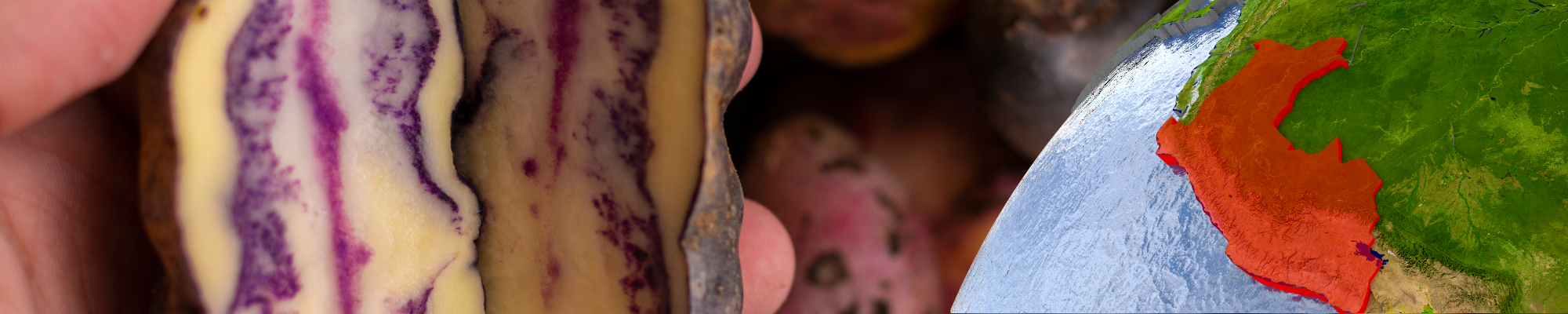
Native Potatoes

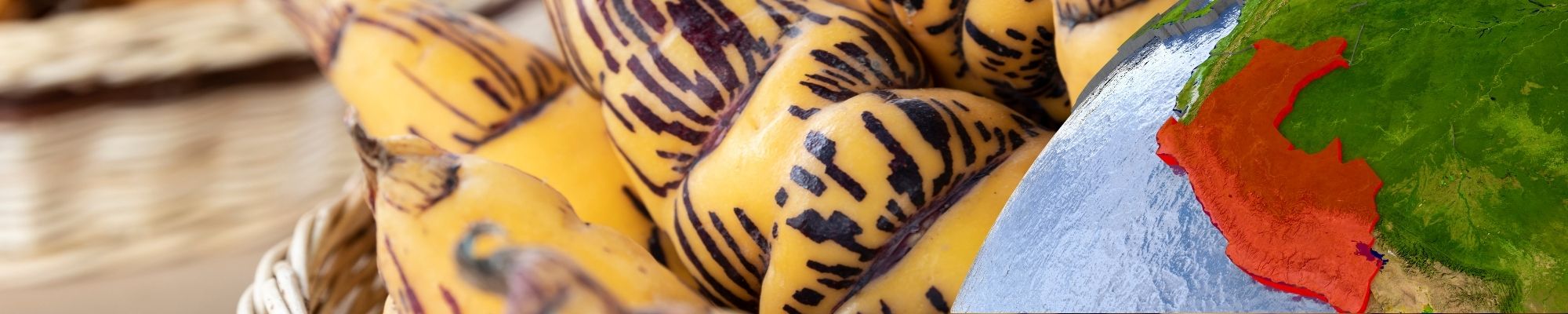
Native potatoes, grown at altitudes between 2,500 to 4,200 meters above sea level in regions like Cusco, Puno, and Huancavelica, are a nutritious food source rich in fiber, complex carbohydrates, potassium, and vitamin C. These properties help manage type 2 diabetes by stabilizing blood sugar levels and improving insulin sensitivity.

Read More »

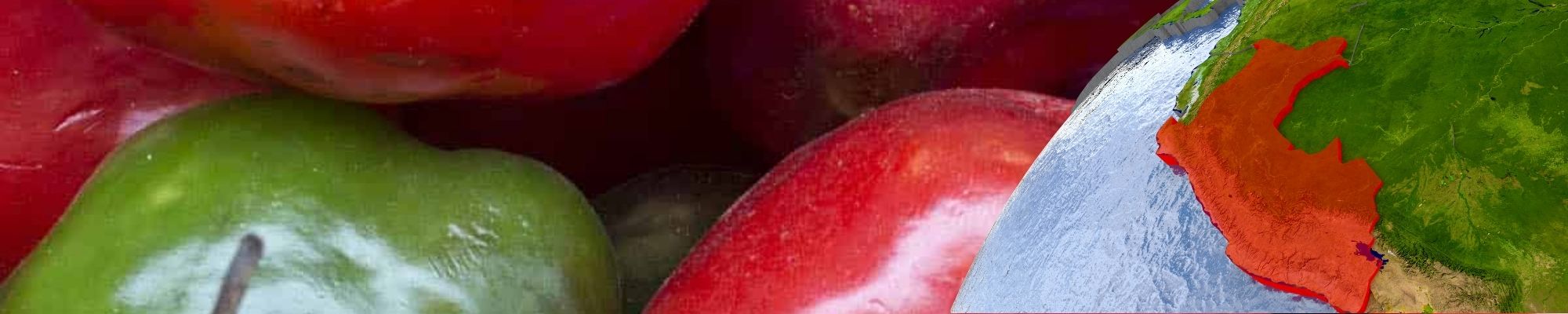
Rocoto

Rocoto, a spicy pepper found at altitudes ranging from 1,500 to 3,000 meters above sea level in regions such as Ancash, Arequipa, Ayacucho, Cusco, Huánuco, Junín, Moquegua, and Puno, is recognized for its health benefits. Rich in capsaicin, Rocoto exhibits anti-inflammatory properties that can help manage hypertension. Additionally, it provides

Read More »

Sacha Inchi (Inka Peanut)

Sacha Inchi, primarily grown in the Amazonian regions of Peru, including Amazonas, Huánuco, Junín, Loreto, and San Martín, thrives in tropical and subtropical climates at altitudes ranging from 200 to 1,500 meters above sea level. This superfood is rich in omega-3 fatty acids, proteins, and vitamin E, offering a range

Read More »

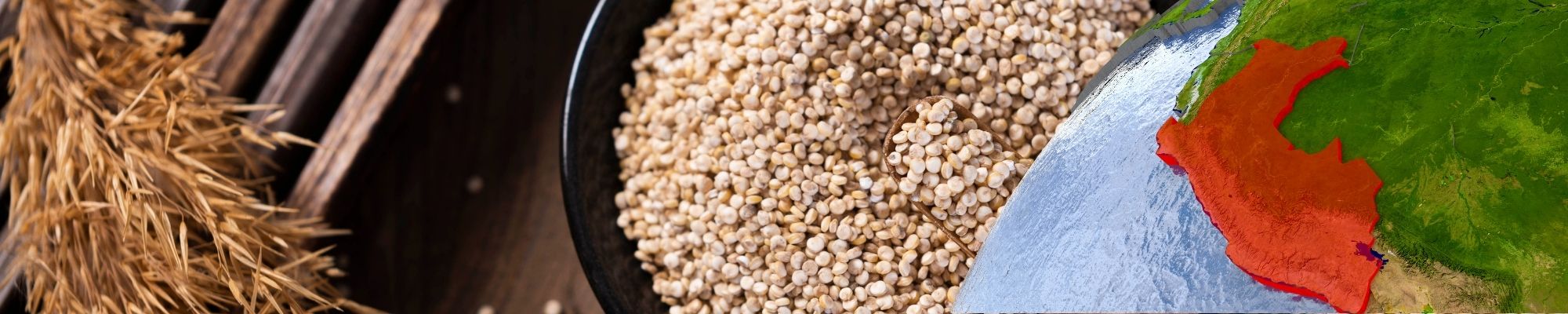
Quinoa

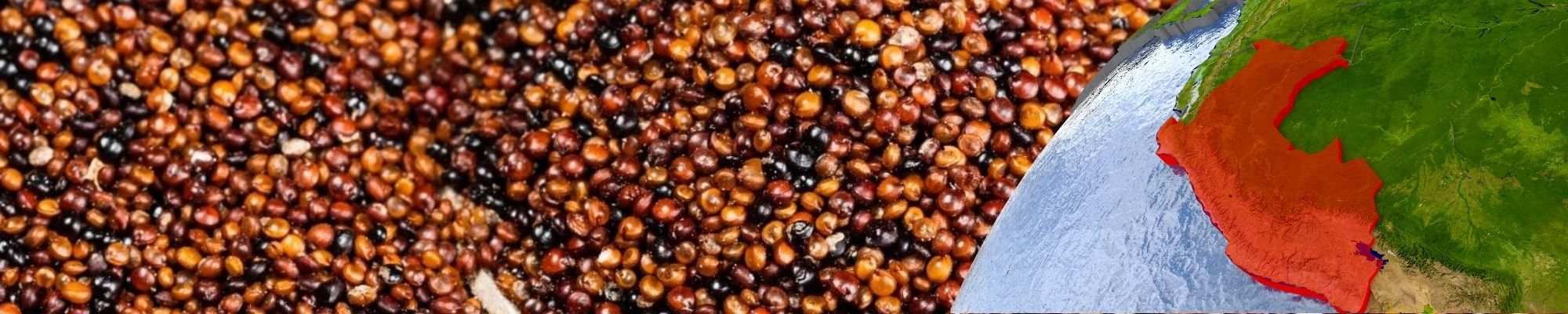
Quinoa, found at altitudes between 1,500 and 4,500 meters above sea level in regions such as Amazonas, Ancash, Apurímac, Arequipa, Ayacucho, Cajamarca, Cusco, Huancavelica, Huánuco, Ica, Junín, La Libertad, Lambayeque, Lima, Lima Metropolitana, Moquegua, Puno, and Tacna, is a nutrient-dense food rich in complete proteins, fiber, magnesium, and iron. It

Read More »

Muña

Muña, found at altitudes between 2,700 and 3,500 meters above sea level in regions like Ayacucho, Cusco, Puno, Huancavelica, and Apurímac, contains essential oils (menthol, pulegone, and isomenthone), antioxidants, and antimicrobial compounds. It supports digestive health, helps alleviate menopause symptoms, and treats respiratory conditions by soothing the airways. However, pregnant

Read More »

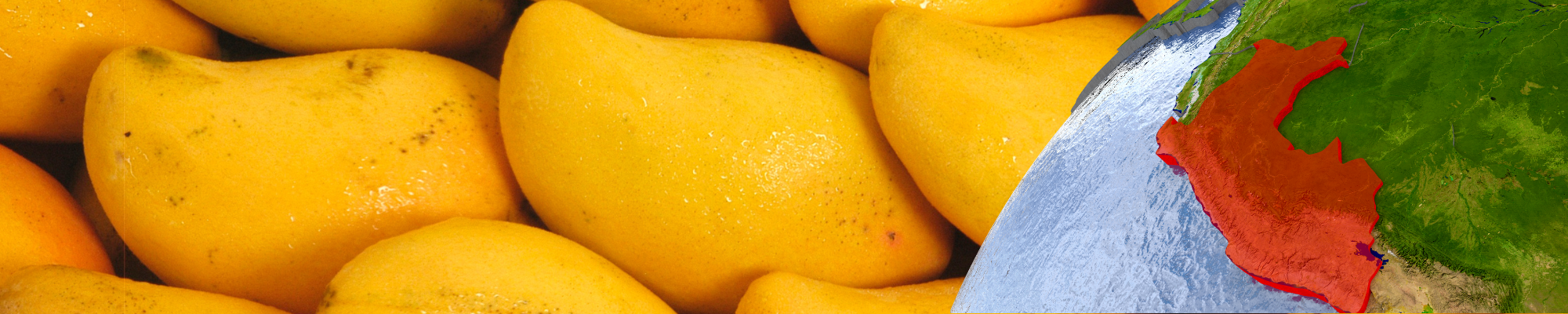
Mango

Mango, grown in Piura, Tumbes, and Loreto at altitudes ranging from 0 to 1,500 meters above sea level, is packed with vitamin C, vitamin A, antioxidants, and fiber. It effectively reduces oxidative stress by neutralizing free radicals, while its vitamin C boosts the immune system by enhancing white blood cell

Read More »

Mashua

Mashua, found between 2,500 and 4,000 meters above sea level in regions like Amazonas, Cusco, and Huancavelica is rich in antioxidants, vitamin C, and calcium. Known for its diuretic properties, mashua helps treat urinary tract infections (UTIs). However, it has been traditionally believed that consuming mashua in large amounts over

Read More »

Lemongrass

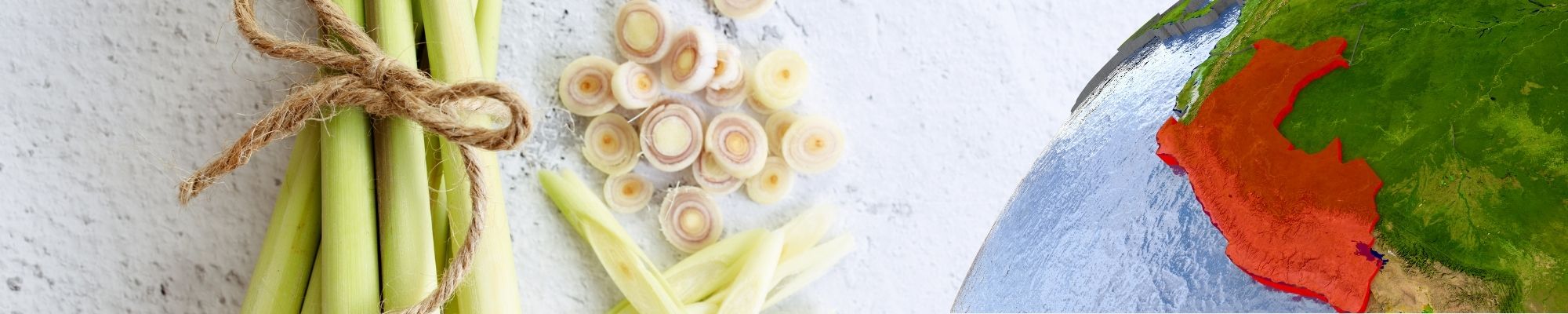
Lemongrass, found between 200 and 500 meters above sea level in regions like Ucayali, is rich in antioxidants, essential oils like citral, vitamins A and C, and minerals such as potassium and magnesium. Known for its calming and anti-inflammatory properties, lemongrass helps soothe digestive issues, supports respiratory health, and alleviates

Read More »

Amazonian chestnut milk

Leche de castaña amazónica, sourced from the Amazon rainforest up to 500 meters above sea level in regions like Loreto, Madre de Dios, and Ucayali, is rich in healthy fats, vitamins E and B, and antioxidants. This nut milk is particularly beneficial for skin health, as vitamin E helps protect

Read More »

Horsetail

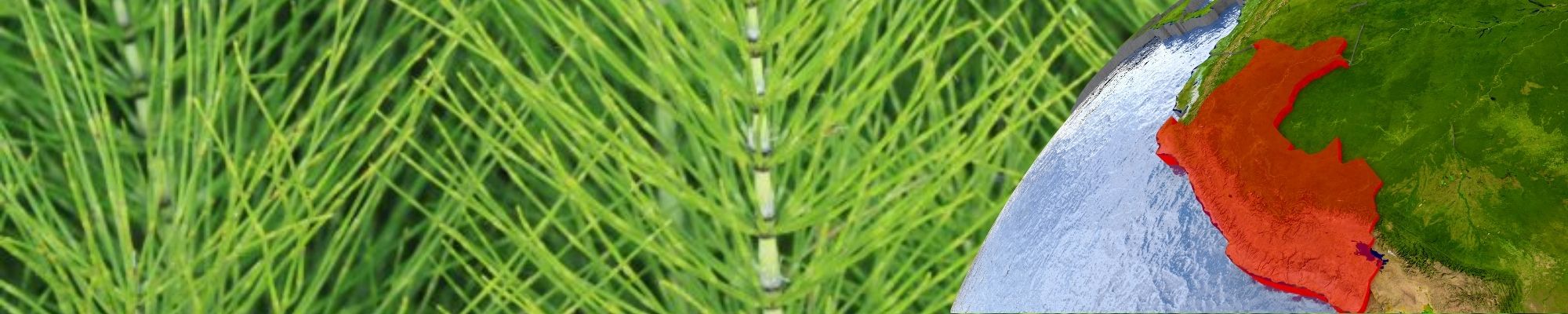
Horsetail found between 1,000 and 3,500 meters above sea level in regions like Cusco, Puno, and Huánuco, is rich in silica and flavonoids, which provide potent anti-inflammatory and antioxidant benefits. Its high silica content supports bone, skin, hair, and nail health, while also promoting the regeneration of connective tissues. This

Read More »

Honey

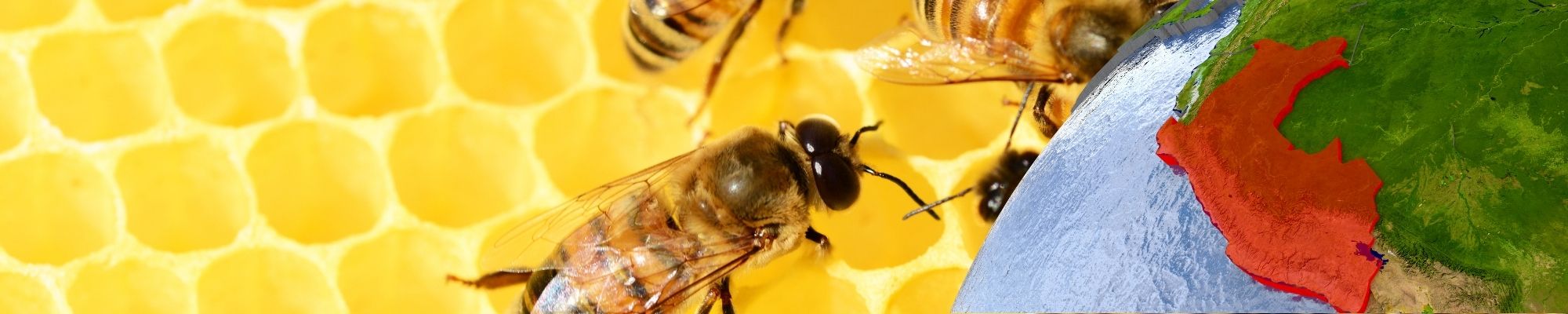
Honey, found from sea level to 3,500 meters above sea level in regions like Amazonas, Cusco, Junín, and more, is rich in antioxidants, natural sugars, and enzymes. These components help fight free radicals, reduce inflammation, aid digestion, and boost the immune system through its antimicrobial properties, making it effective in

Read More »

Goldenberry

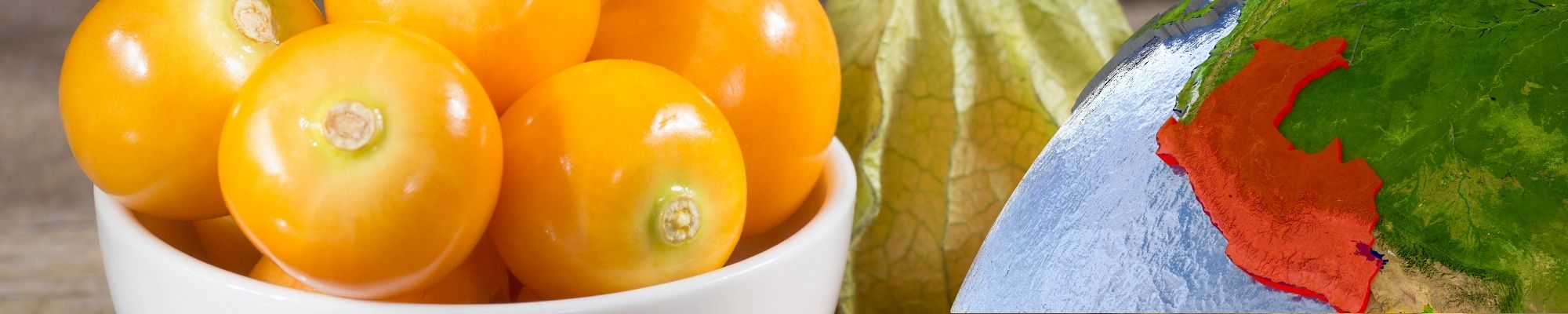
Goldenberry (Aguaymanto), found at altitudes between 1,800 and 3,200 meters above sea level in regions like Amazonas, Apurímac, Arequipa, Cajamarca, and others, is rich in antioxidants, vitamin C, and carotenoids. These nutrients support immune system health, improve skin and eye health, and help regulate hormones, making it beneficial for managing

Read More »

Scallops

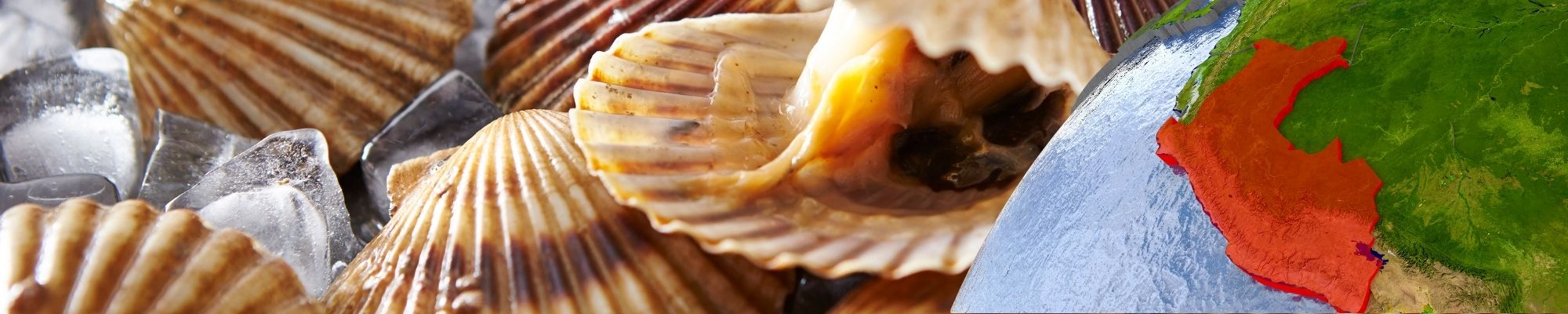
Scallops, known as “conchas” in Peru, are primarily found in the cold waters of the Pacific Ocean, especially in the Pisco and Paracas areas of the Ica region. They are rich in proteins, omega-3 fatty acids, vitamin B12, and selenium, making them beneficial for lowering cholesterol and supporting heart health.

Read More »

Ginger

Ginger, grown between 800 and 1,500 meters above sea level in Junín, contains gingerol, which has potent anti-inflammatory properties and antioxidants. It helps with digestion, reduces menopause symptoms, and supports respiratory health by acting as a natural expectorant to clear mucus and relieve congestion, making it useful for colds, coughs,

Read More »

Garlic

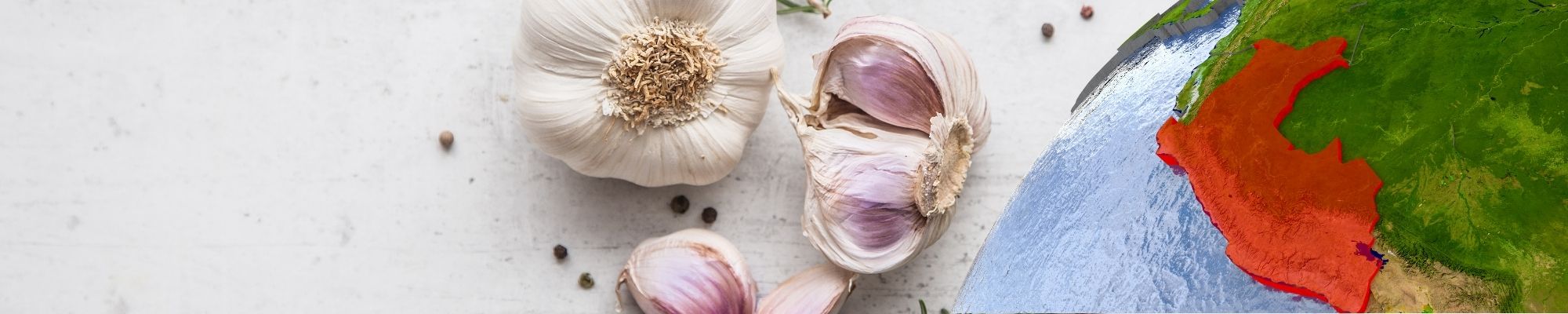
Garlic, grown between 500 to 3,500 meters above sea level in various regions of Peru, contains allicin, a natural antibiotic, and powerful antioxidants. Its blood-thinning properties help lower cholesterol and manage hypertension, promoting heart health. Garlic also provides relief from colds and sore throats due to its antimicrobial and anti-inflammatory

Read More »

Custard apple – Cherimoya

Custard Apple (Chirimoya), grown between 500 and 2,000 meters above sea level in various regions of Peru, is rich in fiber, vitamin C, and antioxidants. It helps balance hormones, making it beneficial for individuals with hormonal imbalances. However, due to its high natural sugar content, chirimoya should be consumed in

Read More »

Coffee

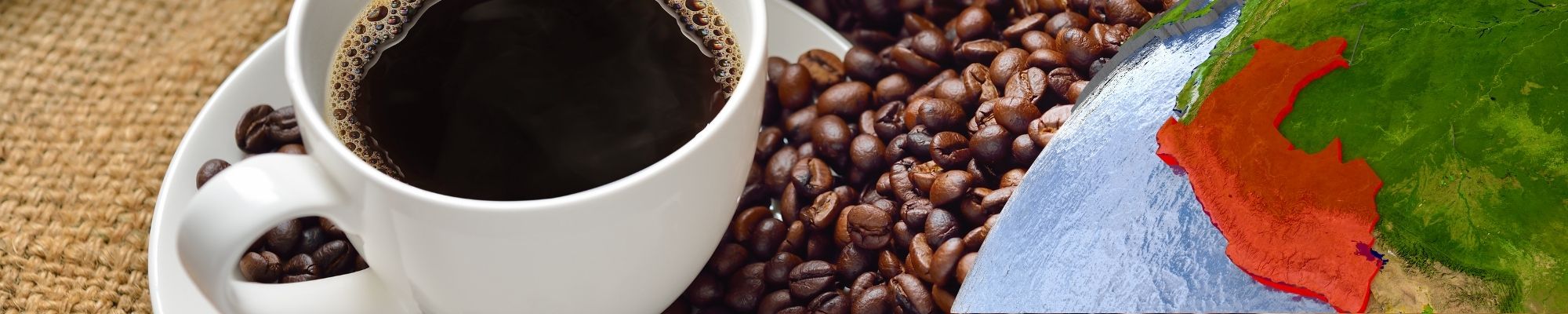
Coffee is rich in antioxidants and caffeine, offering several health benefits. It improves insulin sensitivity, making it beneficial for managing Type 2 Diabetes, while also supporting liver function by reducing inflammation and preventing fat buildup in the liver. Additionally, the caffeine in coffee helps alleviate migraines by constricting blood vessels

Read More »

Coconut oil

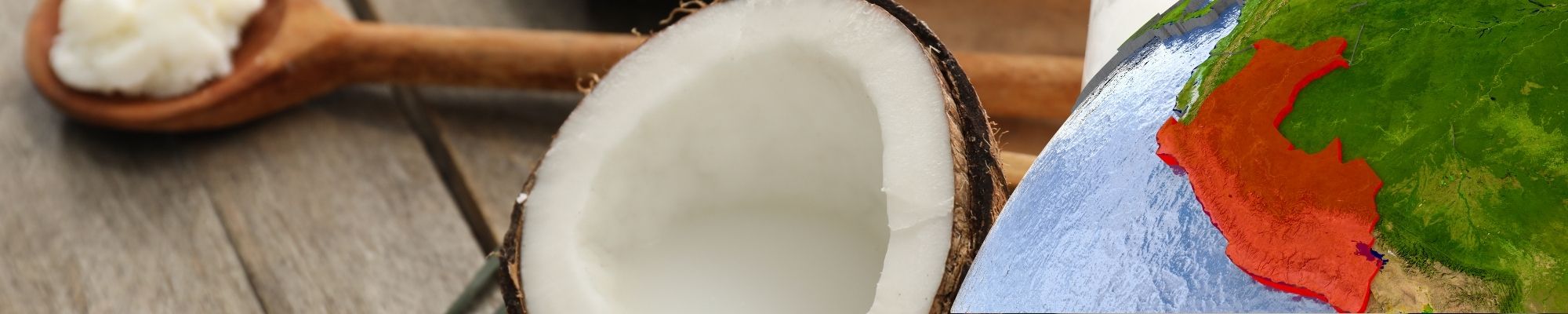
Coconut oil is rich in saturated fats, particularly lauric acid, and antioxidants like vitamin E, which are essential for maintaining healthy skin. It helps hydrate the skin, improves elasticity, and supports anti-aging by reducing wrinkles. Coconut oil’s anti-inflammatory properties also make it beneficial for soothing irritated skin, helping with conditions

Read More »

Cocoa

Cocoa grows at altitudes ranging from 200 to 1,200 meters above sea level (masl) in regions like Amazonas, Ayacucho, Cajamarca, Cusco, Huánuco, Junín, La Libertad, Lambayeque, Loreto, Madre de Dios, Pasco, Piura, Puno, San Martín, Tumbes, and Ucayali. Cocoa is rich in antioxidants (flavonoids), magnesium, and iron, making it beneficial

Read More »

Chuño

Chuño is a traditional food from the Peruvian Andes, grown at altitudes between 3,000 and 4,500 meters above sea level in regions like Puno, Cusco, Ayacucho, Huancavelica, and Apurímac. The freezing at night in these areas aids in the freeze-drying process that transforms potatoes into chuño. Rich in complex carbohydrates

Read More »

Chanca piedra

Chanca Piedra grows at altitudes between 200 and 1,500 meters above sea level in regions like Amazonas, Loreto, Ucayali, San Martín, and Madre de Dios. It contains flavonoids with antioxidant and anti-inflammatory effects, and alkaloids that support kidney and digestive health. This plant is renowned for its ability to support

Read More »

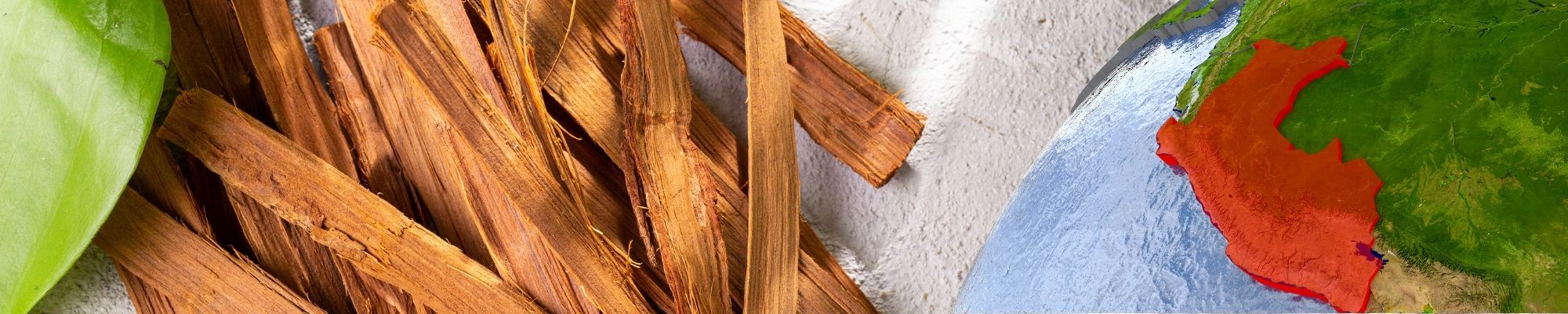
Cat’s claw

Cat’s Claw grows at altitudes between 200 and 1,500 meters above sea level (masl) in regions like Amazonas, Ucayali, Loreto, San Martín, and Madre de Dios. It contains alkaloids with immune-modulating properties, antioxidants that protect against oxidative stress, and anti-inflammatory compounds that help reduce inflammation. Cat’s Claw is known for

Read More »

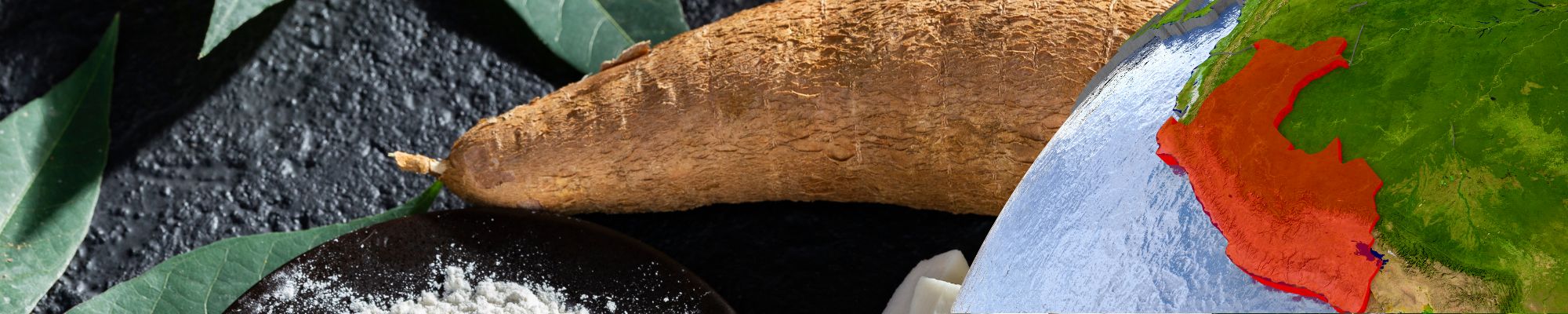
Cassava – Yuca

Cassava is cultivated at altitudes between 0 and 2,000 meters above sea level in regions like Amazonas, Ancash, Apurímac, Arequipa, Ayacucho, Cajamarca, Cusco, and many others. It is rich in carbohydrates (especially starch), vitamin C, and fiber. Cassava’s high fiber content supports digestive health, helping to prevent constipation and aiding
Read More »

Boldo

Boldo grows at altitudes between 500 and 2,500 meters above sea level (masl) in regions like Cajamarca, Cusco, Junín, and Pasco. It contains alkaloids like boldine, which support liver function, and flavonoids, powerful antioxidants that protect the body from oxidative stress. Boldo is commonly used to improve digestion and support

Read More »

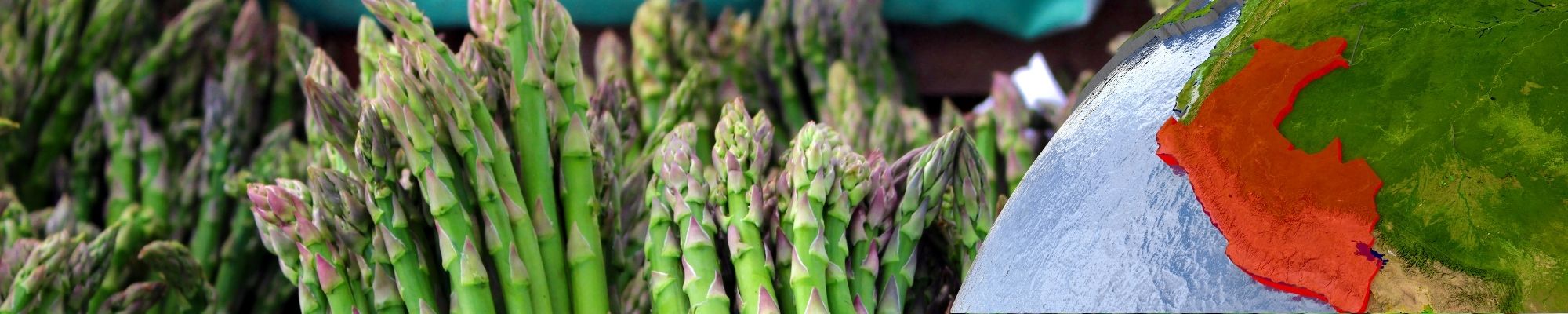
Asparragus

Asparagus is grown at altitudes between 0 and 1,500 meters above sea level in regions like Ica, La Libertad, Lima, Ancash, and Piura. It is rich in fiber, vitamins A, C, K, and folic acid. The high fiber content helps regulate blood sugar levels, making asparagus beneficial for managing diabetes.
Read More »

Anchovy

Anchoveta are abundant in the cold, nutrient-rich waters of the Pacific Ocean, primarily along the Peruvian coast. They are rich in omega-3 fatty acids, proteins, and calcium. The high content of omega-3s makes anchovies highly beneficial for cardiovascular health. These fatty acids help lower bad cholesterol (LDL), reduce inflammation in
Read More »

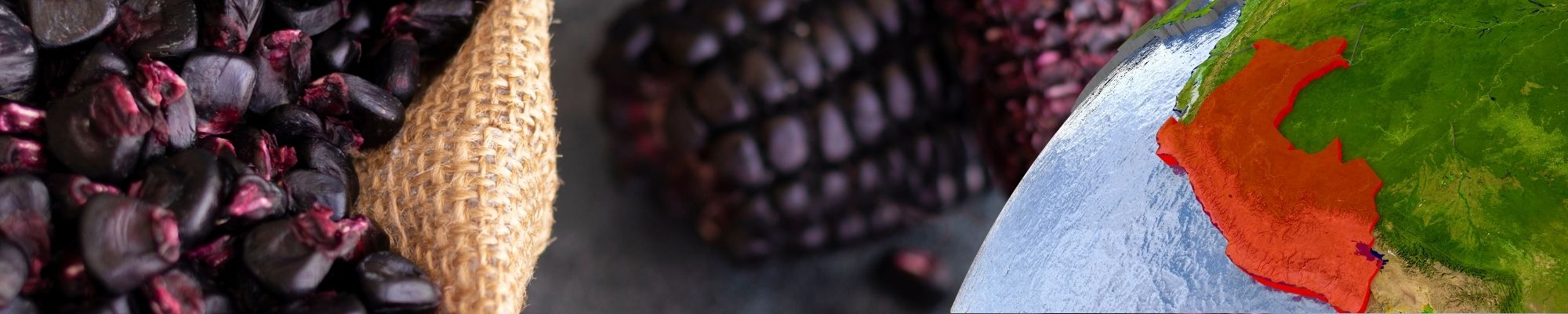
Purple Corn

Purple corn is cultivated at altitudes between 500 and 3,500 meters in regions such as Ancash, Apurímac, Arequipa, Ayacucho, Cajamarca, and others. It is rich in anthocyanins, powerful antioxidants that give it its distinctive color, along with vitamin C. These nutrients help promote cardiovascular health, support digestive health and maintain

Read More »

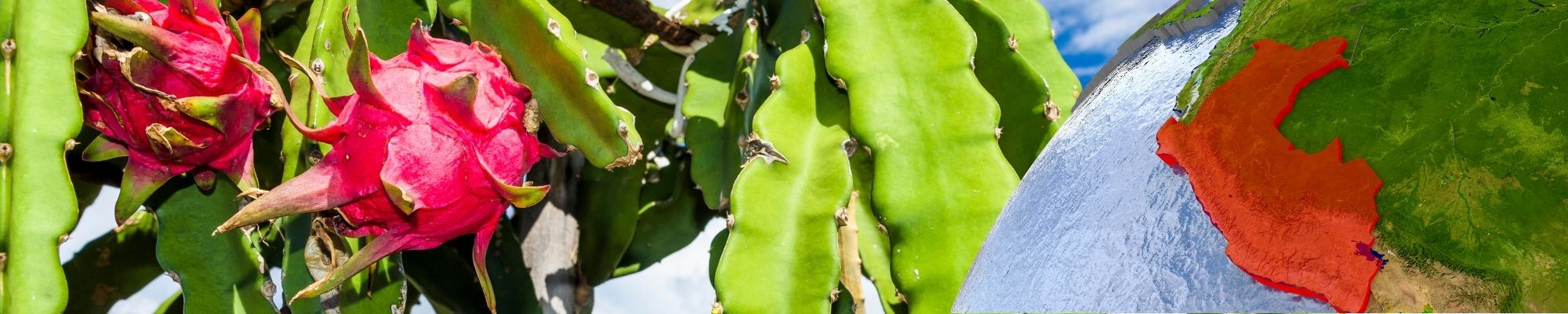
Pitahaya

Dragon fruit is cultivated at altitudes between 200 and 1,500 meters in regions such as Amazonas, Ica, La Libertad, Lima, Moquegua, and Piura. It is rich in antioxidants, fiber, and vitamin C, making it highly beneficial for combating oxidative stress and supporting the immune system. Additionally, its high vitamin C

Read More »

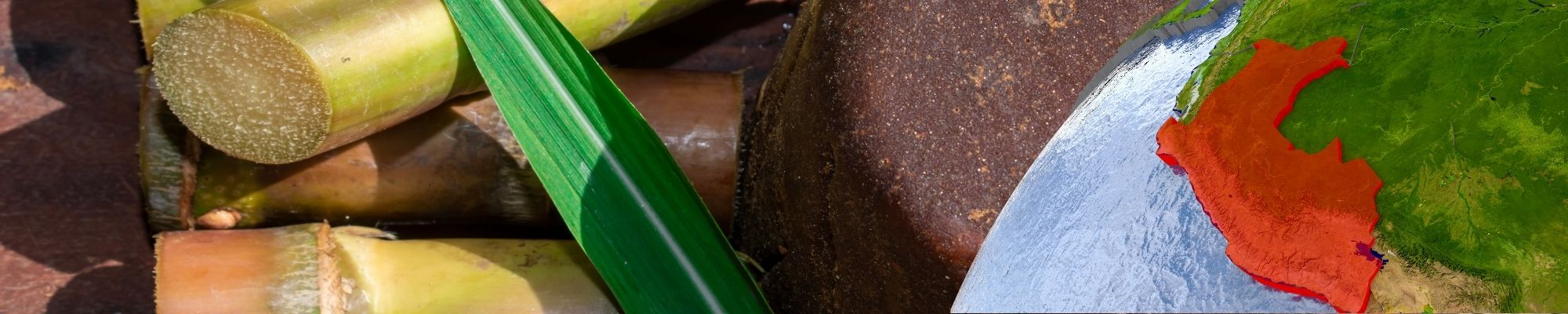
Panela

Panela is produced at altitudes between 500 and 1,500 meters in regions such as Amazonas, Cajamarca, Piura, San Martín, and Huánuco. It is a natural sweetener rich in natural sugars and minerals like iron and calcium. Panela is beneficial for treating anemia due to its iron content and provides an
Read More »

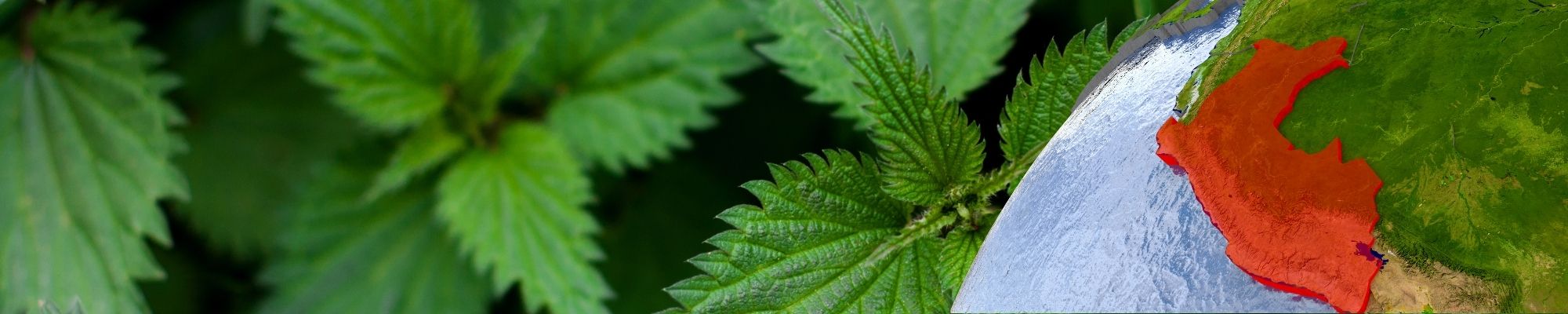
Ortiga

Ortiga, grown at altitudes between 100 and 3,500 meters in regions such as Cusco, Puno, Huancavelica, and Ayacucho, is rich in iron, calcium, magnesium, and antioxidants. These nutrients make it highly beneficial for bone health, helping to maintain bone density and prevent osteoporosis. The antioxidants in ortiga support overall health
Read More »

Oats

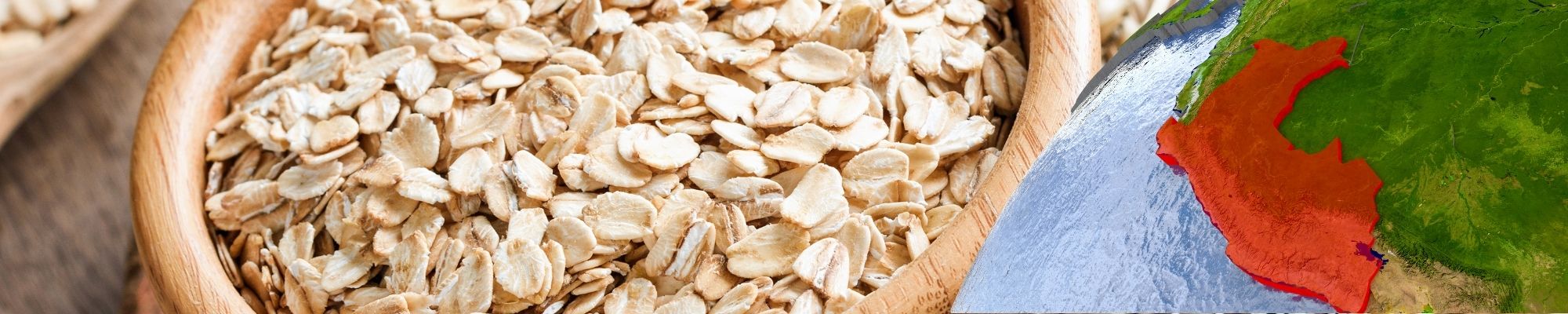
Oats are cultivated at altitudes between 2,500 and 4,000 meters in regions such as Apurímac, Ayacucho, Cusco, Huancavelica, and more. They are an excellent source of soluble fiber (particularly beta-glucans), proteins, and magnesium. The high fiber content in oats helps reduce cholesterol levels, promoting heart health, while also supporting digestive

Read More »

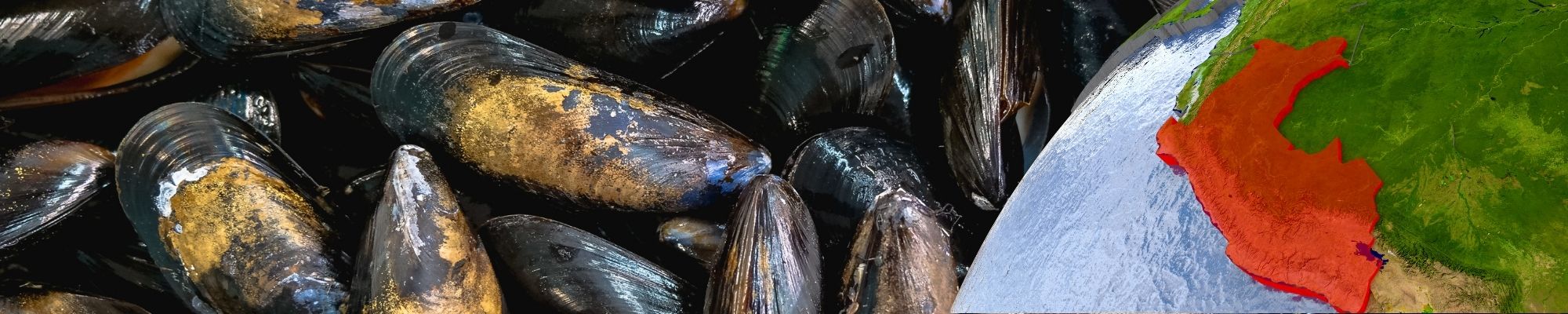
Mussels

Mussels are found along the Pacific Ocean coastline of Lima, Arequipa, ICA, and La Libertad. These shellfish are packed with proteins, omega-3 fatty acids, iron, and zinc, making them highly nutritious. Their high iron content is particularly beneficial in treating anemia and boosting energy levels. However, mussels can be susceptible

Read More »

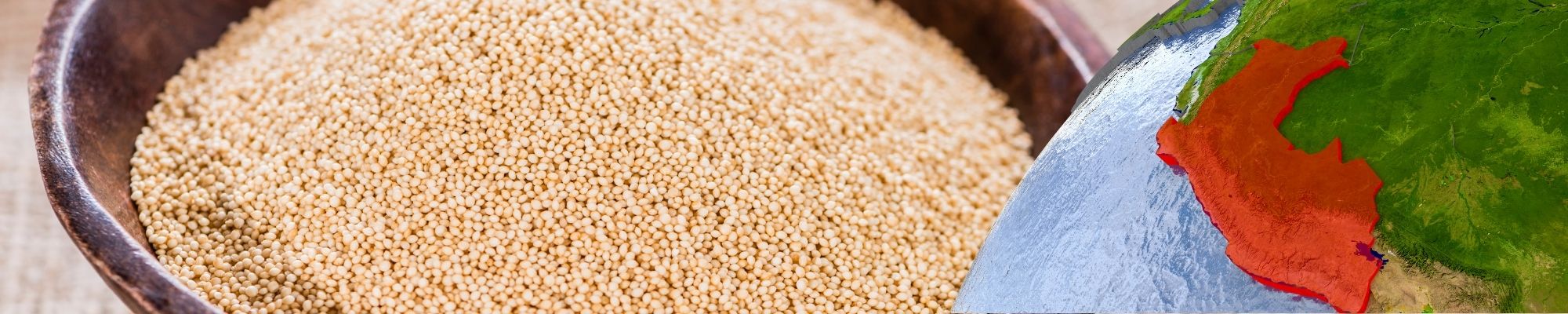
Kiwicha – Amarranth

Kiwicha, cultivated at altitudes between 2,000 and 4,000 meters in regions such as Ancash, Apurímac, Arequipa, Ayacucho, Cusco, and more, is a highly nutritious grain rich in proteins, calcium, magnesium, and iron. These nutrients make it ideal for promoting bone health and preventing osteoporosis by supporting bone density. With its

Read More »

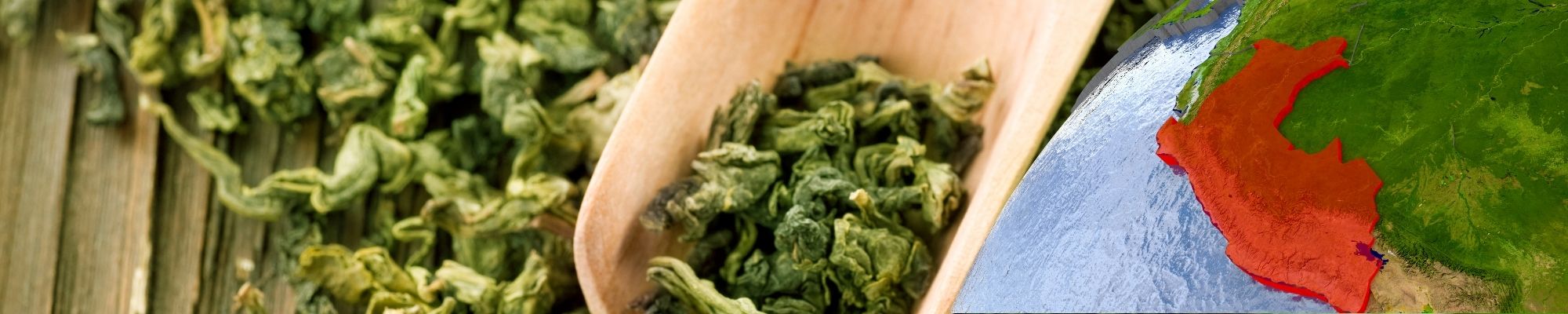
Green tea

Green tea is cultivated at altitudes between 1,000 and 2,000 meters in regions like Cusco, Cajamarca, and Amazonas. It is rich in antioxidants like catechins, particularly EGCG, which is considered one of the most powerful antioxidants available. Green tea helps reduce oxidative stress and inflammation, supports skin health, and boosts

Read More »

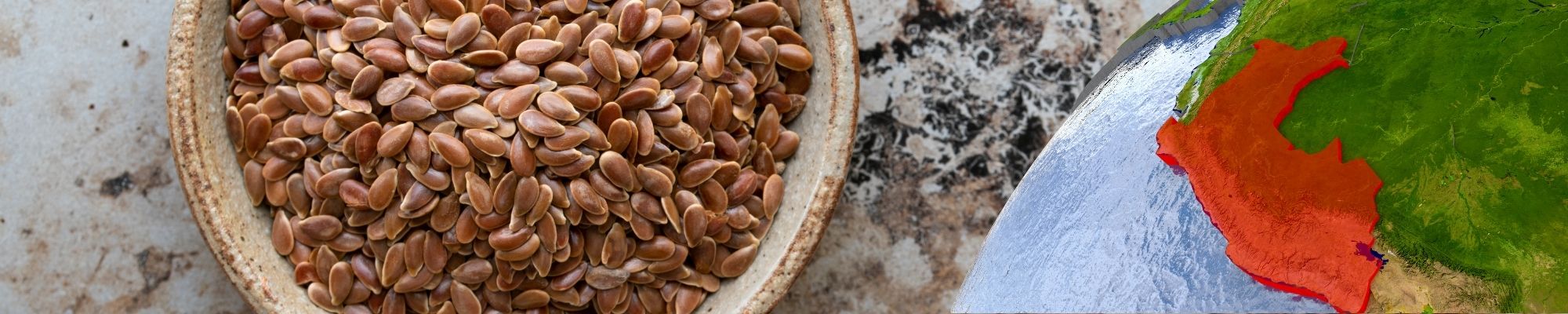
Flaxseed

Flaxseed is grown at altitudes ranging from 200 to 3,800 meters in regions such as Apurímac, Ayacucho, Cajamarca, Huancavelica, and others. Rich in omega-3 fatty acids, fiber, antioxidants, and lignans (which have antioxidant and estrogenic properties), flaxseed offers a wide range of health benefits. Its high omega-3 and fiber content

Read More »

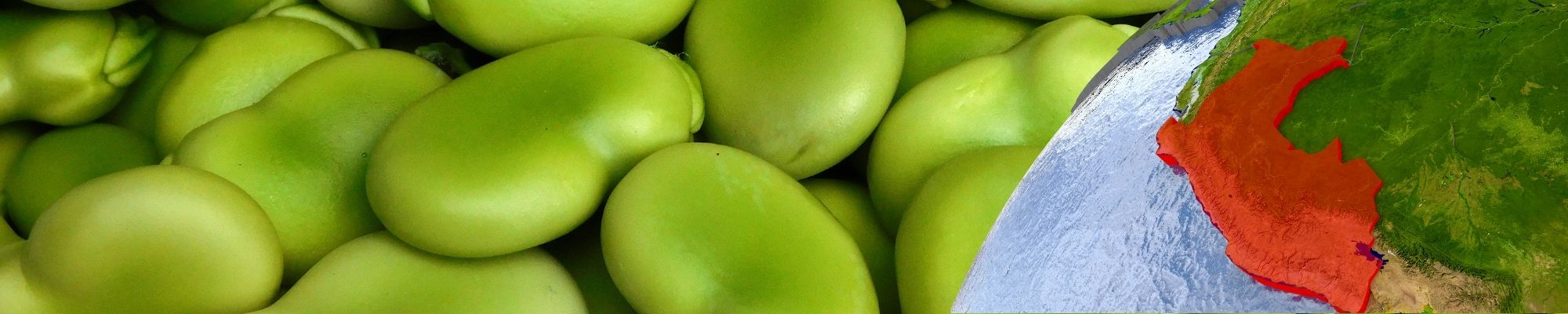
Fava beans

Fava beans are cultivated at altitudes of 2,500 to 3,800 meters in regions such as Amazonas, Ancash, Apurímac, Arequipa, and several others throughout Peru. These beans are rich in proteins, fiber, iron, and folic acid, making them highly nutritious food. Their high iron content helps combat anemia and boosts energy

Read More »

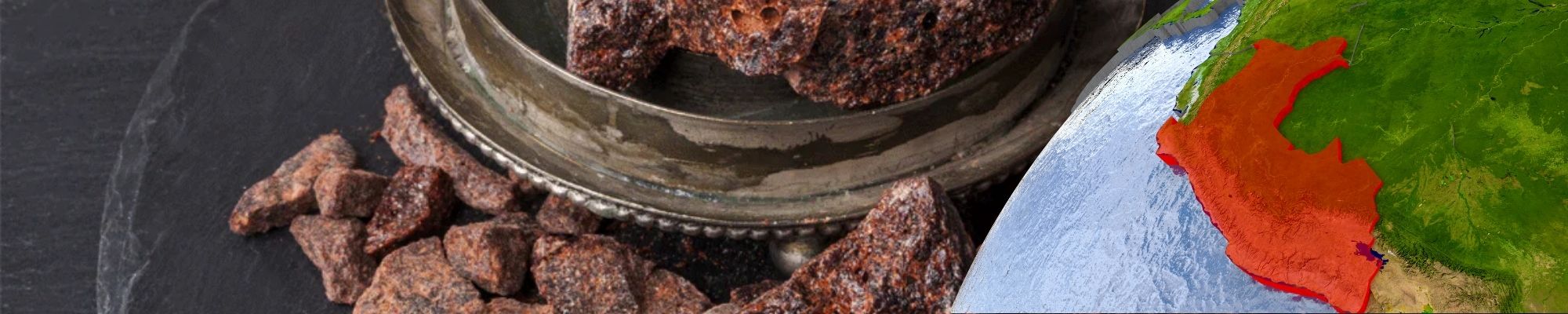
Dragon’s blood

Dragon’s Blood is a resin extracted from trees that grow in the Amazon Rainforest, primarily found in the lowland tropical regions of Peru, including Loreto, Ucayali, Madre de Dios, and San Martín, at altitudes between 200 and 1,000 meters above sea level. This powerful natural remedy is rich in antioxidants,

Read More »

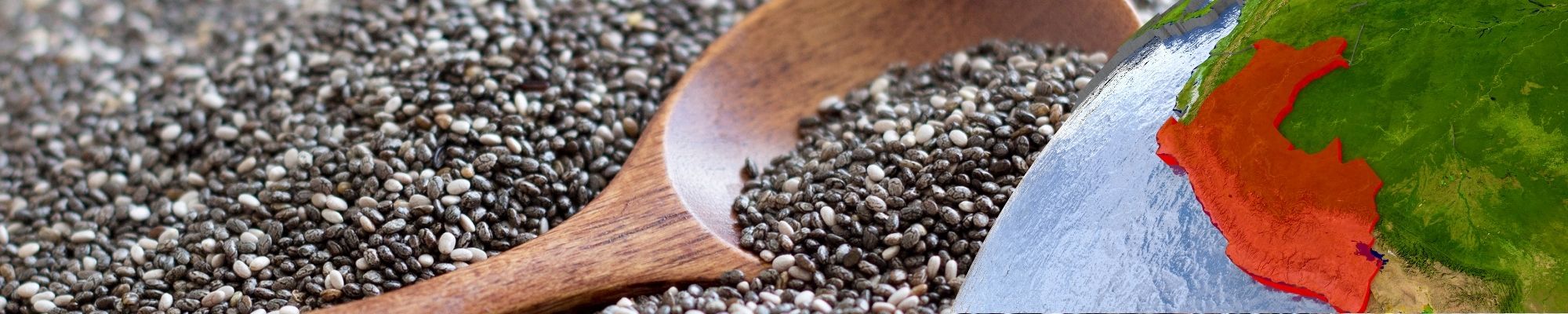
Chia Seeds

Chia seeds, cultivated at altitudes of 2,000 to 3,500 meters in regions like Apurímac, Cusco, and La Libertad, are highly nutritious, rich in omega-3 fatty acids, fiber, proteins, and antioxidants. These tiny seeds are excellent for cardiovascular health, helping to lower LDL cholesterol levels and support heart function. Their high

Read More »

Cañihua

Cañihua, also known as Kaniwa, is a nutrient-dense grain grown at high altitudes between 3,500 and 4,500 meters above sea level in regions such as Amazonas, Ancash, Apurímac, Ayacucho, Cajamarca, Cusco, and others in Peru. This ancient grain is packed with proteins, iron, fiber, and antioxidants, making it highly beneficial

Read More »

Camu Camu

Camu Camu, native to the lowland areas of Loreto, Madre de Dios, and Ucayali at elevations between 10 and 400 meters above sea level, is celebrated for its exceptionally high concentration of Vitamin C and antioxidants. These properties effectively reduce oxidative stress, boost the immune system, and promote skin health by

Read More »

Caballa – Mackerel

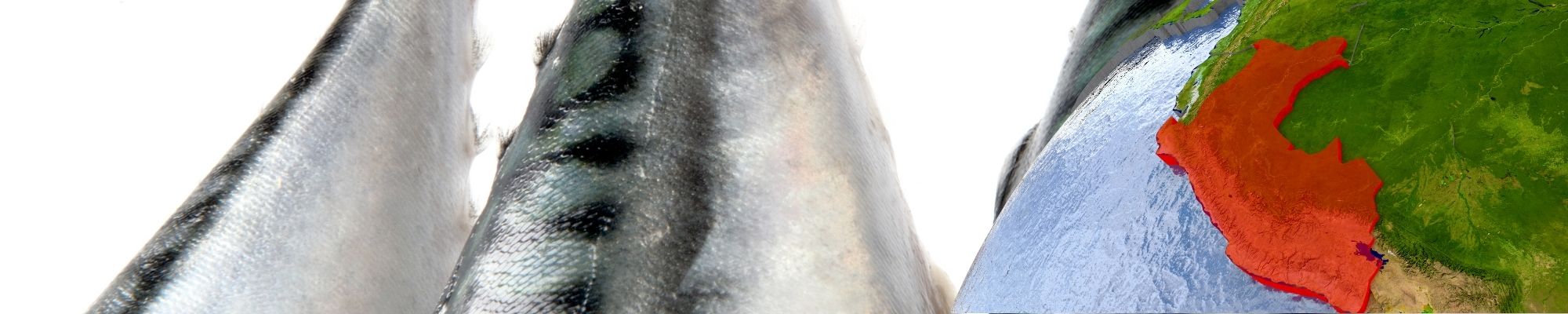
Mackerel, commonly found in the Pacific Ocean along the Peruvian coast, thrives in the cold, nutrient-rich waters of the Humboldt Current. This fish is a nutrient powerhouse, packed with omega-3 fatty acids, proteins, Vitamin D, and selenium. The high omega-3 content in mackerel helps lower LDL cholesterol levels, providing essential

Read More »

Blueberry

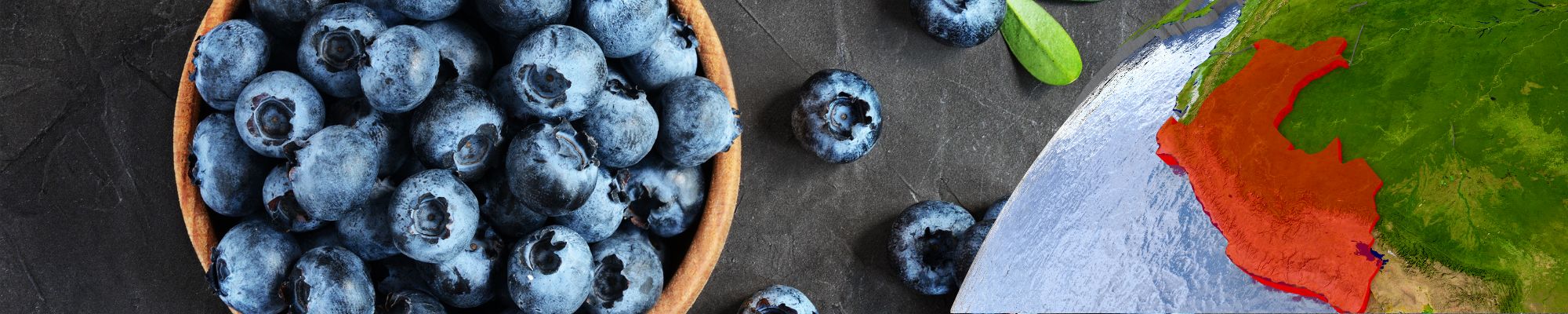
Blueberries, cultivated in regions such as Ancash, Arequipa, Ica, La Libertad, Lambayeque, Lima, Moquegua, and Piura, are packed with antioxidants, Vitamin C, and fiber. Rich in flavonoids, these tiny fruits help protect cells from oxidative damage, making them particularly beneficial for brain and heart health. Blueberries’ high antioxidant content may

Read More »

Achiote

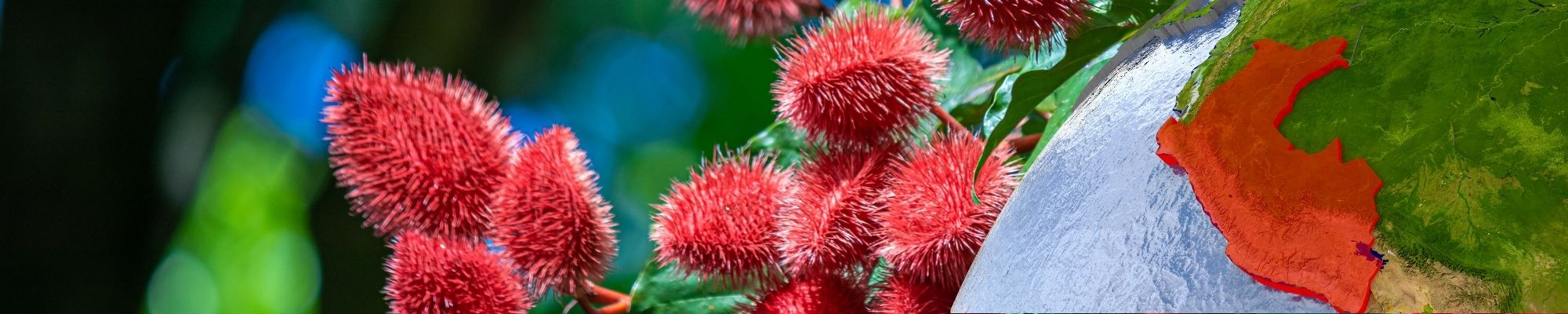
Achiote, cultivated in tropical and subtropical regions, thrives in lowland areas of Peru, typically between 500 and 1,500 meters above sea level, particularly in regions such as Amazonas, Ayacucho, Cajamarca, Cusco, and more. This vibrant plant is rich in carotenoids, especially bixin, which gives it its distinctive red-orange color, along

Read More »

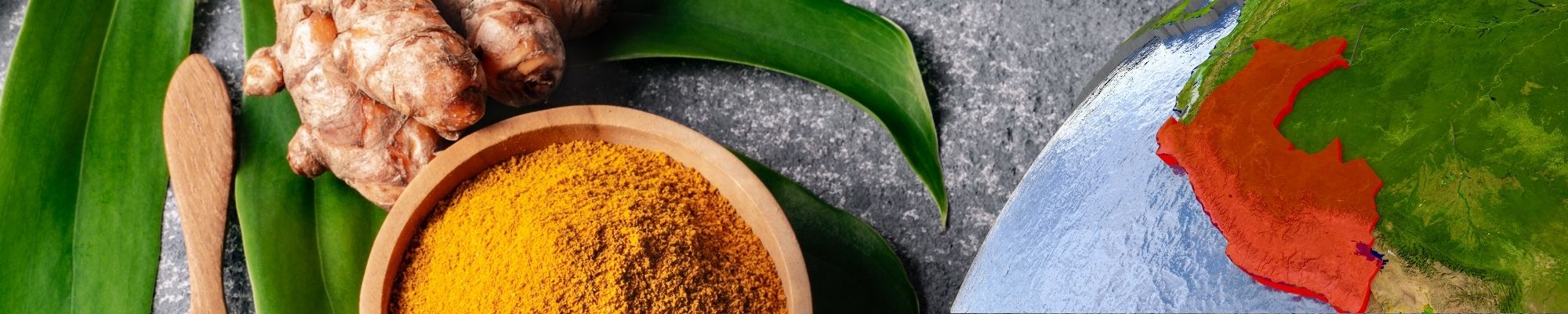
Turmeric

Turmeric, commonly grown at altitudes of 200 to 1500 meters in regions such as Amazonas, San Martín, Ucayali, Loreto, Madre de Dios, Cajamarca, and Piura, is renowned for its medicinal properties. Its active ingredient, curcumin, is a potent anti-inflammatory compound with a range of health benefits. Curcumin helps reduce inflammation,

Read More »

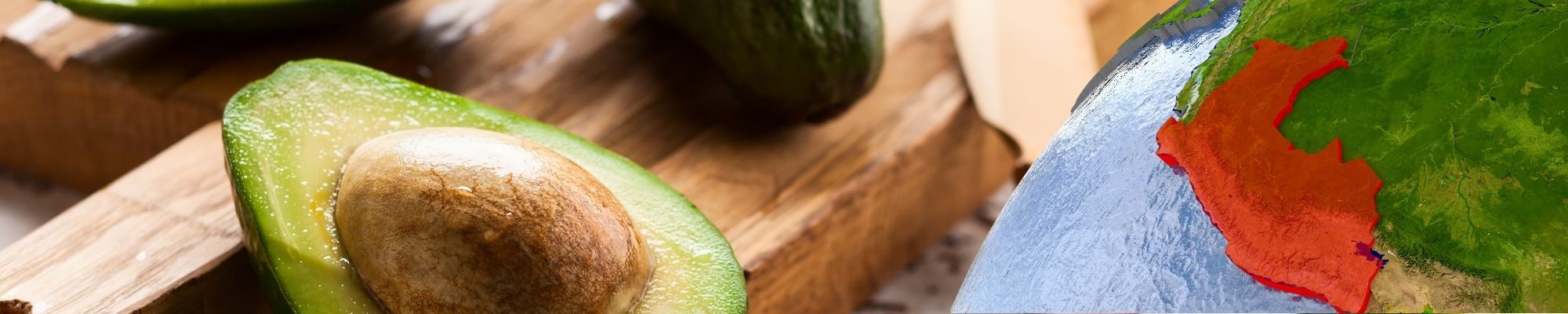
Avocado

Avocados, known for their rich nutritional profile, thrive in Peru across a wide range of regions, from 300 to 2,500 meters above sea level. Key avocado-growing regions include Amazonas, Ancash, Apurímac, Arequipa, Ayacucho, Cajamarca, and Cusco, among many others. Peru’s diverse geography, from coastal plains to the Andean highlands, offers

Read More »

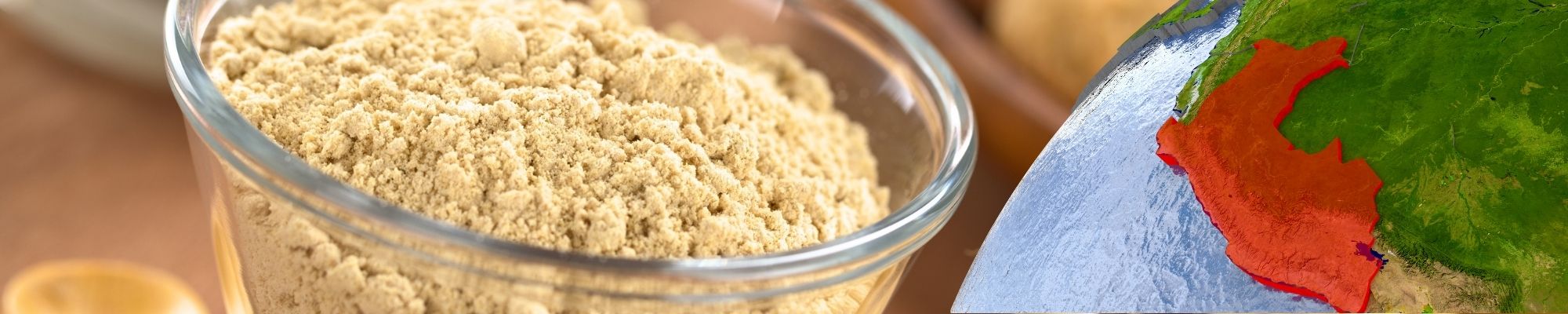
Maca

Maca (Lepidium meyenii) is a hardy root vegetable that thrives in the high Andes of Peru, growing at altitudes between 3,500 and 4,500 metres above sea level. Used by the indigenous people for centuries, this ancient crop is now gaining popularity worldwide as a superfood with a wide range of

Read More »